
PCB Assembly Blog
-
What does PCB mean?
Posted by
–
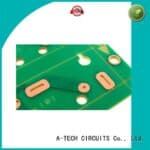
Read more: What does PCB mean?What is a Printed Circuit board (PCB)? A printed circuit board, or PCB, is a thin board made of fiberglass, composite epoxy, or other laminate material. Conductive pathways are etched or “printed” onto the board, connecting different components on the PCB, such as transistors, resistors, and integrated circuits. PCBs are designed to support and electrically…
-
What is the function of the PCB?
Posted by
–
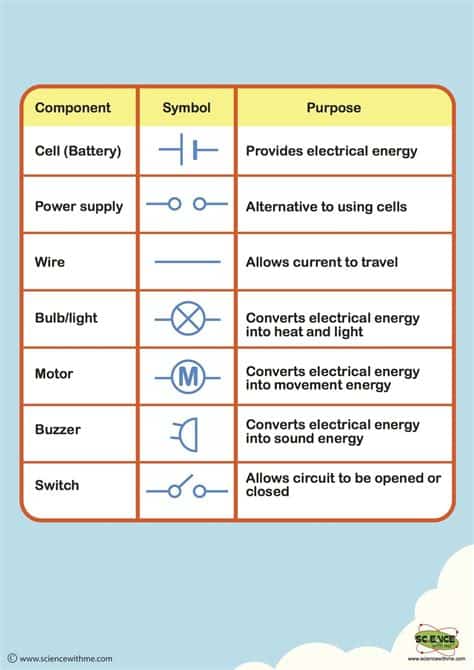 Read more: What is the function of the PCB?
Introduction to PCBs and their Functionshttps://cn.bing.com/ Printed Circuit Boards (PCBs) are the backbone of modern electronics. They are found in almost every electronic device we use today, from smartphones and laptops to medical equipment and aerospace systems. PCBs serve as the foundation for electronic circuits, providing a platform for components to be mounted and interconnected.…
-
The Complex Story of PCB Thickness
Posted by
–
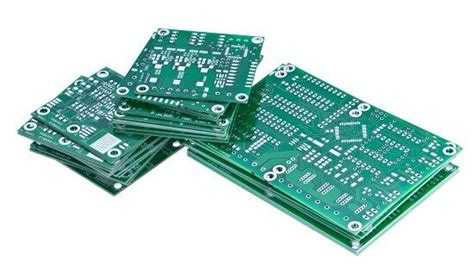 Read more: The Complex Story of PCB Thickness
Introduction to PCB Thickness Printed Circuit Board (PCB) thickness is a crucial factor in the design and manufacturing of electronic devices. It plays a significant role in determining the overall performance, reliability, and durability of the PCB. The thickness of a PCB can vary depending on the specific application, the number of layers required, and…
-
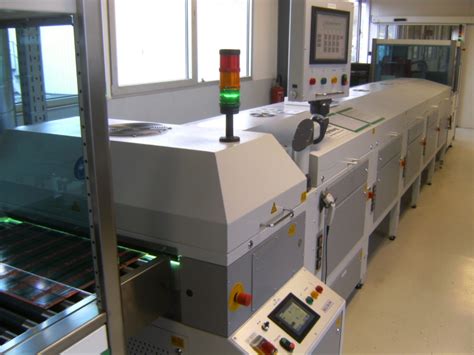 Read more: How do we Expose the Soldermask during Production?
What is Soldermask and Why is Exposure Important? Soldermask, also known as solder resist or solder stop mask, is a thin lacquer-like layer of polymer applied to the copper traces of a printed circuit board (PCB). It serves several important functions: Prevents solder bridges from forming between closely spaced solder pads Protects the copper traces…
-
What is a PCB Fiducial?
Posted by
–
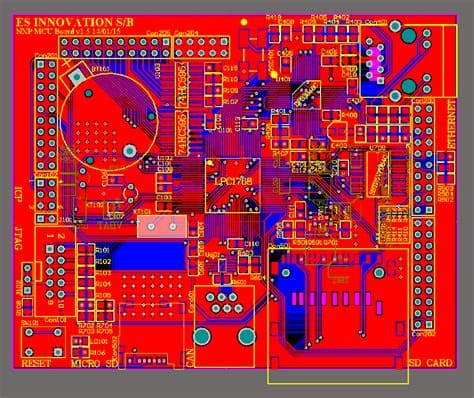 Read more: What is a PCB Fiducial?
What are PCB Fiducials? PCB fiducials are small, typically circular, copper pads or solder mask openings placed on a PCB to serve as reference points for automated assembly equipment. These markers help machines align and position components accurately on the board during the pick-and-place process. Fiducials are recognized by machine vision systems, allowing for precise…
-
How do you check PCB?
Posted by
–
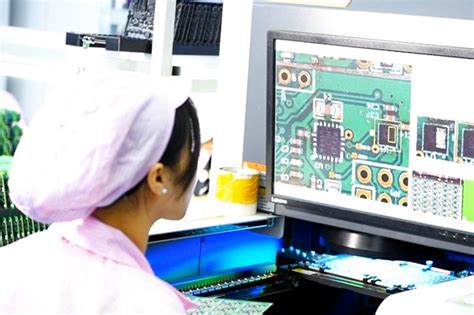 Read more: How do you check PCB?
What is PCB Inspection? PCB inspection is the process of examining a printed circuit board for defects, anomalies, and compliance with design specifications. The goal of PCB inspection is to identify and correct any issues before the board is assembled into a final product. PCB inspection can be performed at various stages of the manufacturing…
-
RoHS and Lead-free Compliance
Posted by
–
 Read more: RoHS and Lead-free Compliance
What is RoHS and Why is RoHS Compliance Important? The Restriction of Hazardous Substances (RoHS) Directive is a set of regulations that restricts the use of certain hazardous materials in the manufacture of electronic and electrical equipment. The directive was first introduced by the European Union in 2003, and has since been adopted by many…
-
Types of BGA Components
Posted by
–
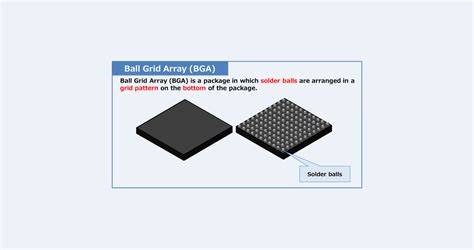 Read more: Types of BGA Components
Plastic BGA (PBGA) The Plastic Ball Grid Array (PBGA) is the most common type of BGA package. It uses a plastic substrate and is suitable for a wide range of applications. The PBGA package offers several advantages, including: Lower cost compared to ceramic BGA packages Good thermal and electrical performance Available in various sizes and…
-
The History of the Printed Circuit Board
Posted by
–
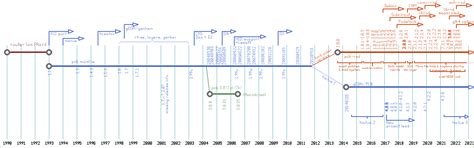 Read more: The History of the Printed Circuit Board
Early Days of PCBs The history of printed circuit boards (PCBs) dates back to the early 20th century. The concept of creating an electrical connection using a conductive material on an insulating base was first patented by Albert Hanson, a German inventor, in 1903. However, it took several decades before this idea was put into…
-
What is Copper Foil?
Posted by
–
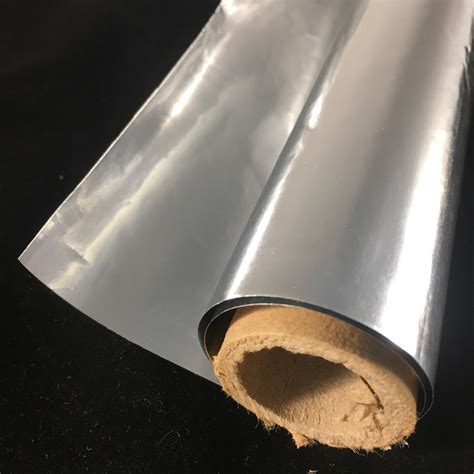 Read more: What is Copper Foil?
Characteristics of Copper Foil Copper foil possesses several key characteristics that make it an ideal material for numerous applications: Thickness Copper foil is available in a range of thicknesses, typically ranging from 0.025mm to 0.1mm (1-4 mils). The thickness of the foil is chosen based on the specific requirements of the application. Thickness (mm) Thickness…