
PCB Assembly Blog
-
What is the surface finish of a PCB?
Posted by
–
Read more: What is the surface finish of a PCB?Types of PCB Surface Finishes There are several types of PCB surface finishes available, each with its own advantages and disadvantages. The most common surface finishes include: 1. Hot Air Solder Leveling (HASL) HASL is one of the most widely used surface finishes in the PCB industry. The process involves dipping the PCB into a…
-
What is quick turn PCB assembly?
Posted by
–
 Read more: What is quick turn PCB assembly?
What is a Printed Circuit Board (PCB)? A printed circuit board (PCB) is a fundamental component of modern electronic devices. It is a flat board made of insulating materials, such as fiberglass or plastic, with conductive pathways etched or printed onto its surface. These pathways, known as traces, connect various electronic components, such as resistors,…
-
What is a 4 layer PCB?
Posted by
–
 Read more: What is a 4 layer PCB?
Structure of a 4 Layer PCB A typical 4 layer PCB consists of the following layers: Top layer (Signal layer) Ground plane Power plane Bottom layer (Signal layer) The top and bottom layers are used for signal routing, while the inner layers are dedicated to power and ground planes. The ground plane helps to reduce…
-
What is a heavy copper PCB?
Posted by
–
 Read more: What is a heavy copper PCB?
Understanding Heavy copper pcbs Definition and Characteristics A heavy copper PCB is a printed circuit board that uses copper traces with a thickness greater than the standard 1 oz. (35 μm) copper. Typically, heavy copper PCBs have copper thicknesses ranging from 2 oz. (70 μm) to 20 oz. (700 μm) or more. The increased copper…
-
What is an Arduino PCB?
Posted by
–
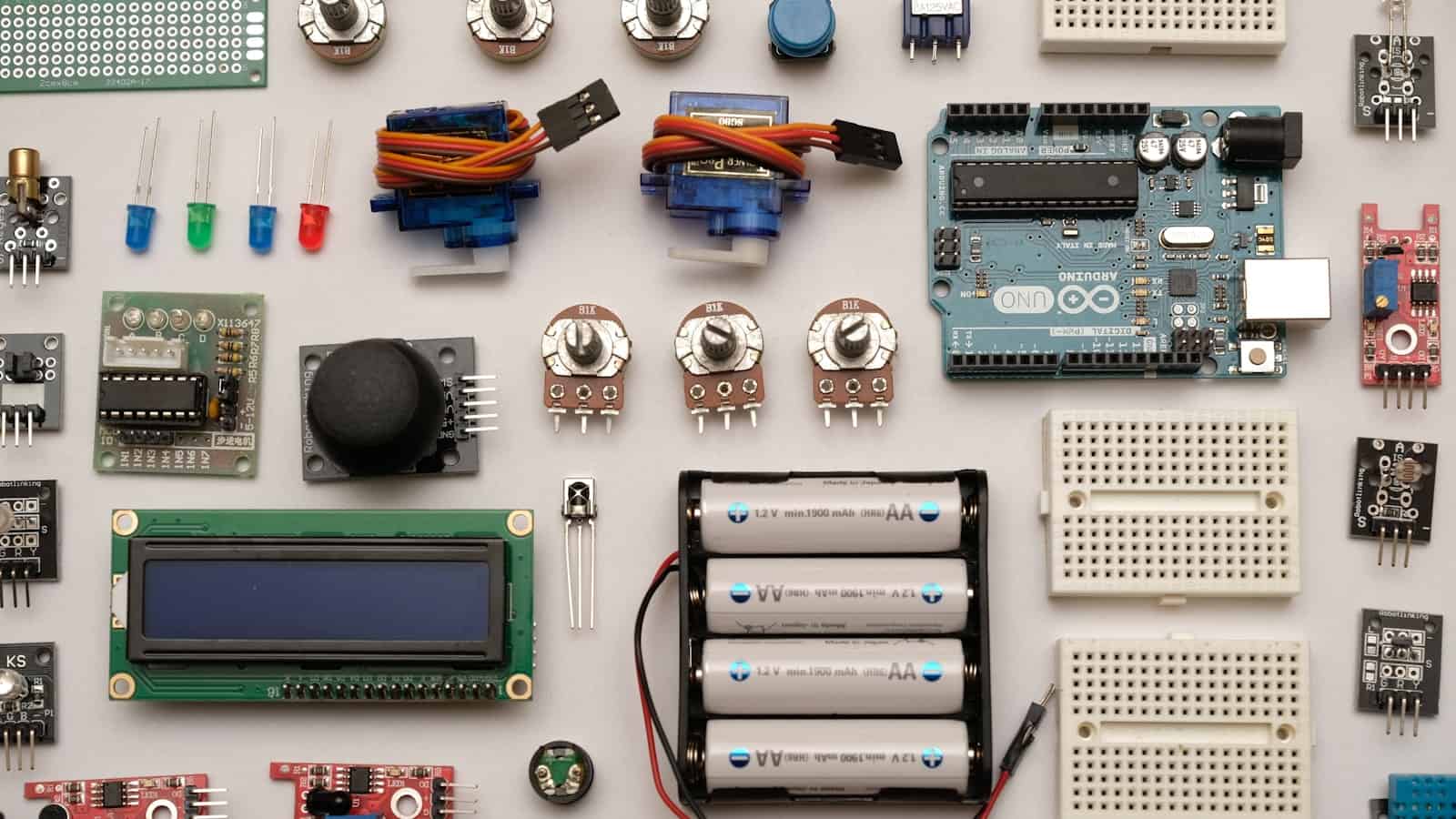 Read more: What is an Arduino PCB?
Understanding the Basics of Arduino PCBs What is a Microcontroller? At the heart of every Arduino PCB lies a microcontroller. A microcontroller is a small computer on a single integrated circuit, consisting of a processor, memory, and programmable input/output peripherals. It is designed to perform specific tasks and control various electronic components. The Arduino Platform…
-
What is castellation in PCB?
Posted by
–
 Read more: What is castellation in PCB?
Understanding the Basics of Castellation What are Castellated Holes? Castellated holes, also known as castellations, are semi-circular plated notches or grooves cut into the edges of a PCB. These holes are typically plated with copper and sometimes finished with gold or other surface finishes to enhance conductivity and protect against corrosion. The plating extends from…
-
What is the coating on a PCB?
Posted by
–
 Read more: What is the coating on a PCB?
Introduction to PCB Coatings Printed Circuit Boards (PCBs) are essential components in modern electronic devices, providing a platform for electrical connections and supporting various components. To ensure the longevity, reliability, and performance of PCBs, they are often coated with protective layers. These PCB coatings serve multiple purposes, including protection against environmental factors, enhanced electrical insulation,…
-
Is contract manufacturing the same as OEM?
Posted by
–
 Read more: Is contract manufacturing the same as OEM?
What is Contract Electronic Manufacturing? Contract electronic manufacturing, also known as electronics contract manufacturing (ECM), is a business model in which a company (the contractor) manufactures electronic components or products for another company (the client or OEM). The contract manufacturer provides services such as design, fabrication, assembly, testing, and packaging of electronic products based on…
-
What is ENIG in PCB?
Posted by
–
 Read more: What is ENIG in PCB?
Introduction to ENIG PCB ENIG, which stands for Electroless Nickel Immersion Gold, is a surface finish used on printed circuit boards (PCBs). It is a chemical process that deposits a thin layer of nickel followed by a thin layer of gold on the exposed copper pads and other areas of the PCB that require protection…
-
How are flexible PCBs manufactured?
Posted by
–
 Read more: How are flexible PCBs manufactured?
What are Flexible PCBs? Flexible PCBs, also known as flex circuits or flexible printed wiring, are a type of printed circuit board that consists of a thin, flexible substrate with conductive traces and components mounted on its surface. Unlike traditional rigid PCBs, which are made from a solid substrate material such as FR-4, flexible PCBs…