PCB Assembly Blog
-
How to calculate PCB assembly cost?
Posted by
–
Read more: How to calculate PCB assembly cost?Factors Affecting PCB Assembly Cost PCB Design Complexity The complexity of the PCB design is one of the most significant factors that affect the assembly cost. A more complex design with a higher number of layers, smaller trace widths, and tighter tolerances will require more advanced manufacturing processes and equipment, resulting in a higher cost.…
-
PCB Assembly Quote and Cost Calculator
Posted by
–
 Read more: PCB Assembly Quote and Cost Calculator
Understanding PCB Assembly Quotes When it comes to manufacturing printed circuit boards (PCBs), getting an accurate pcb assembly quote is essential for planning your project and budget. A PCB assembly quote takes into account various factors that contribute to the overall cost of producing your PCBs. In this article, we’ll dive deep into the elements…
-
What is PCB costing?
Posted by
–
 Read more: What is PCB costing?
Factors That Affect PCB Price Many variables go into calculating the final price of a printed circuit board. The main cost drivers include: Board Specifications The physical properties and manufacturing requirements of the PCB have a significant impact on cost: Board size: Larger PCBs require more material and are priced higher. Minimizing board dimensions where…
-
What is PCB cross-section?
Posted by
–
 Read more: What is PCB cross-section?
Introduction to PCB Cross-Section A printed circuit board (PCB) cross-section is a vital tool for analyzing the internal structure and layers of a PCB. By examining a cross-section, engineers and technicians can assess the quality of the manufacturing process, identify potential issues, and ensure that the PCB meets the required specifications. In this article, we…
-
What is PCB development process?
Posted by
–
 Read more: What is PCB development process?
Understanding the Basics of PCB Development Before we dive into the specifics of the PCB development process, it’s essential to understand the fundamentals of PCBs. A PCB is a flat board made of insulating materials, such as fiberglass or composite epoxy, with conductive copper tracks printed on one or both sides. These tracks connect various…
-
 Read more: The 2024 List of Top 10 Printed Circuit Board Manufacturers Serving North America
1. TTM Technologies, Inc. TTM Technologies, Inc. is a leading global PCB manufacturer headquartered in Santa Ana, California. The company offers a wide range of PCB products, including high-density interconnect (HDI), flexible, and rigid-flex PCBs. TTM Technologies serves various industries, such as aerospace and defense, automotive, medical, and networking. Key Facts Details Founded 1998 Headquarters…
-
What is a power PCB?
Posted by
–
 Read more: What is a power PCB?
The Basics of Power PCBs What is a Power Plane? A power plane is a large copper area on a PCB that is dedicated to distributing power to the components on the board. Unlike signal traces, which are thin and narrow, power planes cover a significant portion of the PCB’s surface area. This large surface…
-
 Read more: What is the thermal conductivity of a typical PCB?
Understanding Thermal Conductivity Thermal conductivity is a physical property that quantifies a material’s ability to conduct heat. It is defined as the rate at which heat is transferred through a material per unit thickness, per unit area, and per unit temperature difference. The SI unit for thermal conductivity is watts per meter-kelvin (W/mK). Materials with…
-
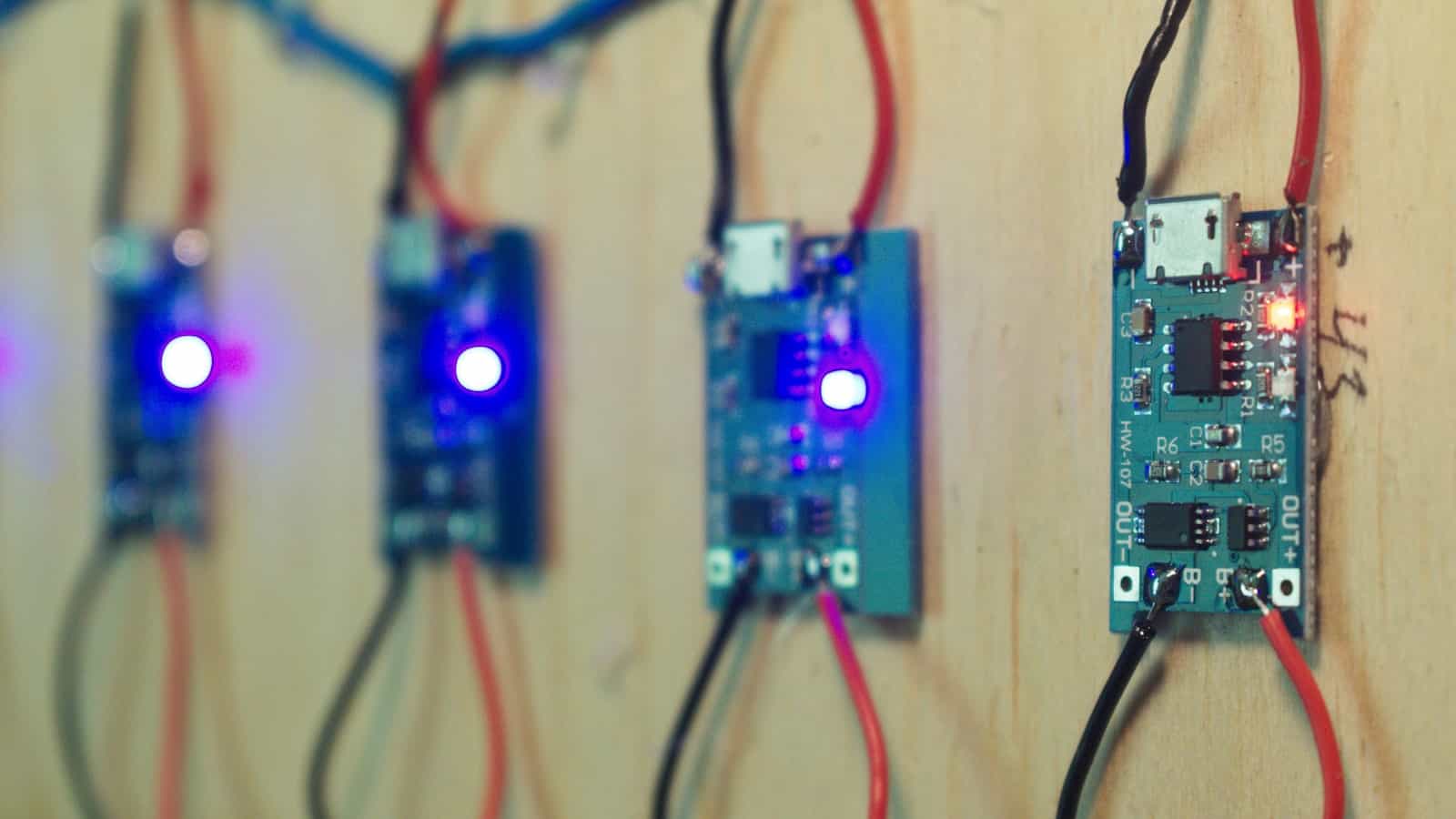 Read more: What is the difference between bare PCB and populated PCB?
Introduction to Printed Circuit Boards (PCBs) Printed Circuit Boards, commonly known as PCBs, are the backbone of modern electronic devices. They are used in a wide range of applications, from simple consumer electronics to complex industrial equipment and aerospace systems. PCBs provide a platform for electronic components to be mounted and interconnected, allowing for the…
-
What is V-scoring in PCB?
Posted by
–
 Read more: What is V-scoring in PCB?
What is V-scoring? V-scoring, also known as v-grooving, is a method of creating a V-shaped groove along the surface of a PCB panel. This groove is typically cut using a special V-shaped blade on a CNC machine or a laser cutter. The depth and angle of the groove are carefully controlled to ensure that the…